What Recent Graduates Need to Know About Social Media and Due Diligence
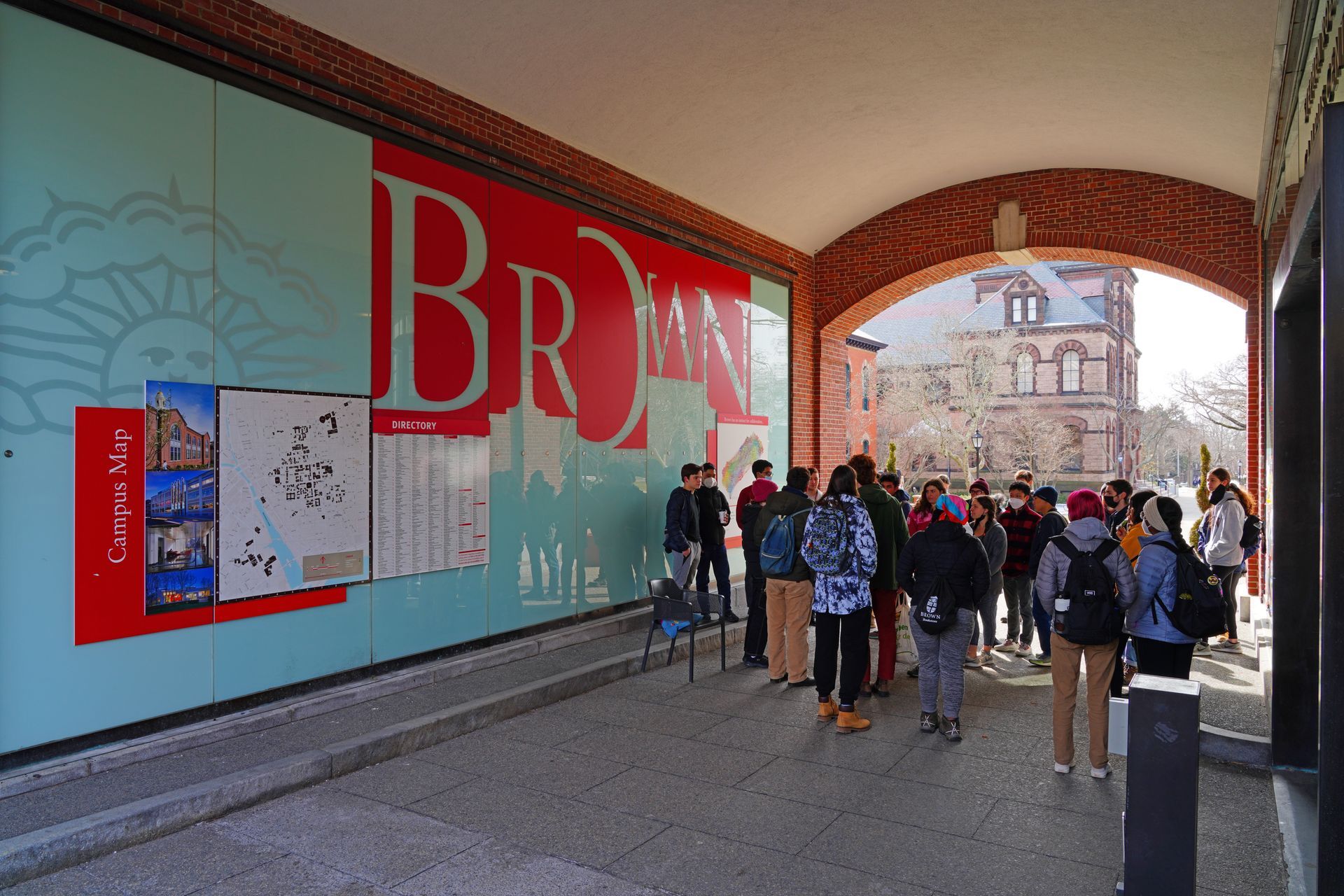
At the end of 2025, I had the opportunity to travel with colleagues from North Point to speak at the career development day for student-athletes at Brown University. We were invited to share insight into how employers evaluate candidates and, more specifically, how companies like us verify what’s on a resume.
Many students walked into the session believing that a background check is a simple, automated, “check-the-box” process, a quick database search, a confirmation of employment, or maybe a degree verification. In reality, due diligence often goes much deeper for many careers in financial and professional services.
Beyond the Check-the-Box Background Check
As investigative researchers, our role is not just to confirm that a candidate worked somewhere or earned a particular credential. We analyze reported experience, evaluate consistency across sources, and look for context. If a resume lists leadership roles, internships, certifications, or entrepreneurial ventures, we examine whether those claims align with publicly available information and third-party verification.
For recent graduates entering the workforce, two areas tend to receive particular attention:
- Internship experience
- Social media presence
Many of the students we spoke with were surprised at the level of detail involved. They had carefully polished their resumes and LinkedIn profiles, but hadn’t considered how their broader digital footprint might factor into an employer’s evaluation.
How Employers Review Social Media During Background Checks
For today’s graduates, social media has been a constant throughout high school and college. It feels personal, informal, and separate from professional life.
From a due diligence perspective, however, social media is part of the overall picture. Many platforms default to public settings when accounts are first created. Tagged photos, public comments, and interactions with friends or family whose accounts remain public can all create a digital trail.
And then there are platforms people don’t always think of as “social media.”
Take Venmo, for example. While technically a payments application, its feed is designed like a social platform. By default, transactions can be visible to others, often accompanied by emojis or inside jokes. We frequently see lighthearted references between friends, coded humor or sarcastic descriptions. Among peers, the meaning may be obvious and harmless. To an employer reviewing a candidate’s digital footprint, however, context is not always clear, and assumptions are rarely generous. One of the simplest pieces of advice I give students is this: lock down your privacy settings. There is rarely a reason for the general public—or a potential employer—to know where you are or how you are spending your money.
Awareness is Power
The goal of due diligence is not to penalize young professionals for being young. It is to assess risk, credibility, and alignment. Employers are investing significant resources in new hires, and they want to feel confident in the integrity and judgment of the individuals they bring on board.
What many students don’t realize is that inconsistencies, questionable humor, or exaggerated claims can raise concerns—not because of one isolated post, but because of the broader narrative they create.
Your digital presence tells a story. The question is: is it the story you want told?

Conduct Due Diligence on Employers, Too
While much of our presentation focused on how candidates are evaluated, I always emphasize that due diligence should not be one-sided.
Young job seekers should conduct their own research on potential employers:
- Look into company leadership.
- Review recent press coverage.
- Understand the organization’s culture and reputation.
- Evaluate financial stability and growth.
- Speak with former employees when possible.
A job offer is not just an opportunity; it’s a commitment of your time, energy, and early career trajectory. Just as companies assess risk in hiring, candidates should assess risk in accepting.
The Takeaway for Recent Graduates
As you enter the workforce, understand that your resume is only one piece of your professional profile. Your internship experiences, online presence, and public digital activity all contribute to how you are perceived.
Before you begin applying:
- Google yourself.
- Review privacy settings across platforms.
- Audit old posts.
- Tighten public transaction feeds.
- Ensure your online presence aligns with the professional image you want to project.
In today’s hiring landscape, due diligence is deeper, faster, and more thorough than many realize. Being proactive about your digital footprint—and thoughtful about the organizations you join—can make all the difference in launching a strong and sustainable career.
About the Author
Prior to joining North Point, Chloe Woodbine was an accomplished collegiate Water Polo player, earning numerous recognitions including 2021 Western Water Polo Association (WWPA) Player of the Year. Originally from Australia, Chloe joined North Point in 2024 and currently also serves a Water Polo Colour Analyst on ESPN+ for the Brown Men's and Women's Water Polo teams. As a research analyst, Chloe adds unique experiences and an equally impressive educational background to our team with the following degrees:
- Master of Science in Applied Intelligence from Mercyhurst University
- Master of Business Administration (MBA) in Health Care Management from Salem University
- Bachelor of Applied Public Health from Torrens University Australia
- Bachelor of Science in Biology / Physiology & Exercise Science from Salem University